
What is the most commonly kept freshwater fish in the world?
With a nod of appreciation to the Goldfish (the runner-up), we crown Betta splendens the victor. For most, the story of the Betta ends there—with a beautiful, hardy fish that boasts more color varieties than a candy store.
However, Betta splendens is just one of over 75 described species in the genus. What about the others? To understand the diversity of these fish, we have to look at the bigger picture: the suborder Anabantoidei.
The Labyrinth Fish
Anabantoidei are commonly known as Labyrinth Fish. They possess a specialized labyrinth organ that allows them to breathe atmospheric air at the surface—an evolutionary marvel that helps them survive in low-oxygen environments.
While this group is dominated by Gouramis, it also includes the very first tropical fish ever kept as a pet: the Paradise Fish, and of course, the Betta.
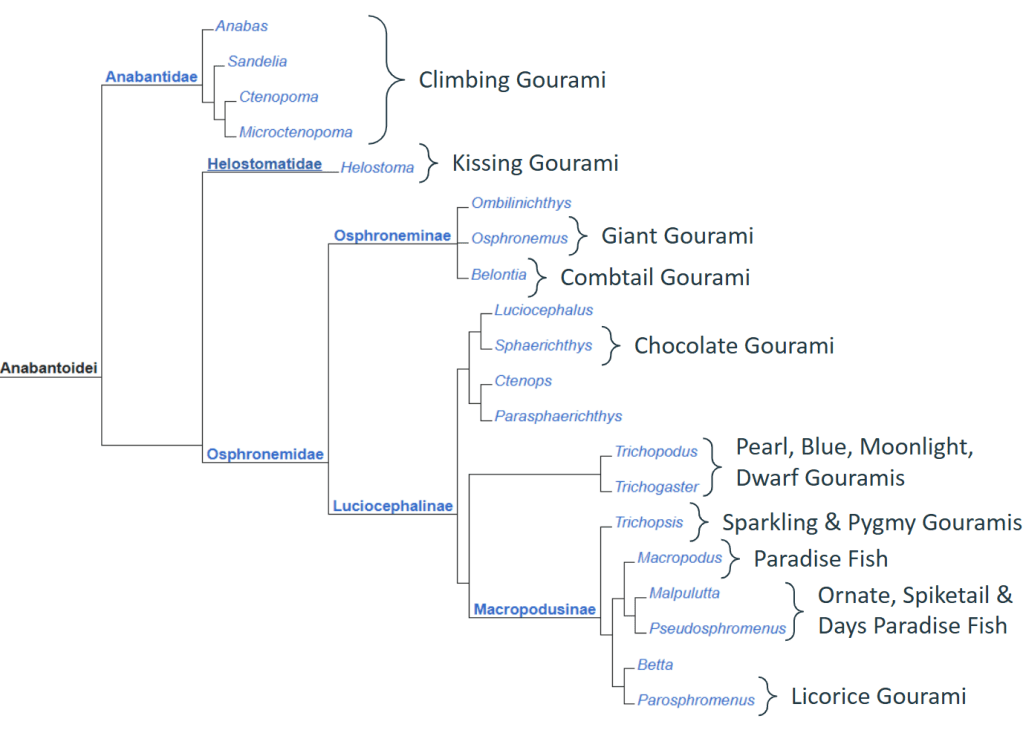
The Family Tree: Anabantoidei
In the aquarium trade, you are likely to encounter three distinct families within this suborder:
- Anabantidae (Climbing Gourami): Rarely seen in the hobby.
- Helostomatidae (Kissing Gourami): Famous for their unique “kissing” behavior, which is actually a display of territorial aggression.
- Osphronemidae: The “Great Family.” This is the massive group containing most Gouramis, all Paradise Fish, and every species of Betta.
Inside the Osphronemidae Family
Because this family is so large, it is broken down into specific sub-families and genera:
1. Osphroneminae
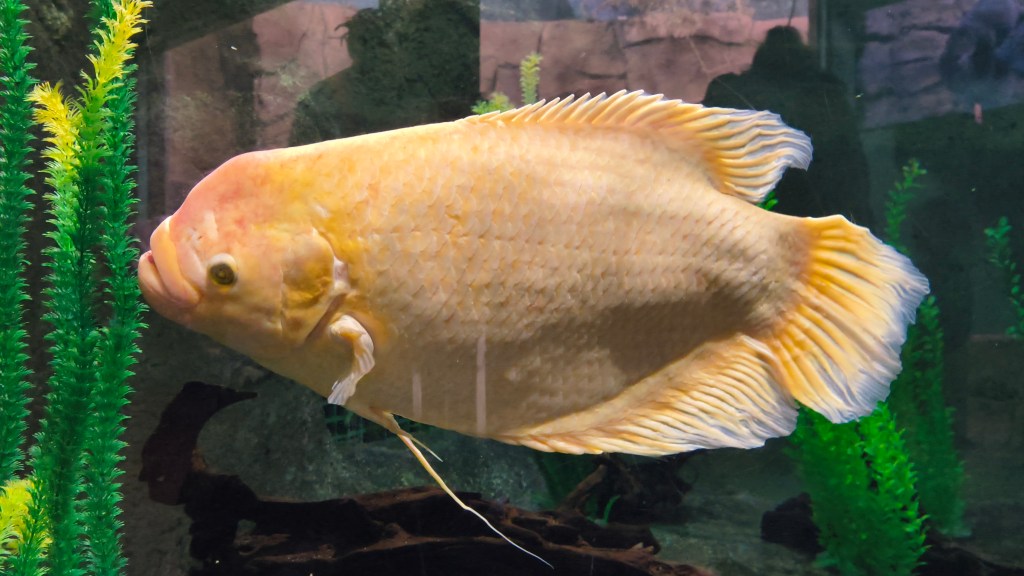
This contains the genus Osphronemus, featuring the Giant Gourami. These fish grow massive and live for decades, making them better suited for public aquariums than home tanks.
2. Luciocephalinae
This group includes many hobby favorites:
- The Exotics: Such as the Chocolate Gourami (Sphaerichthys).
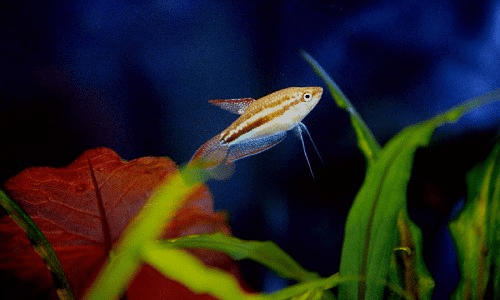
- The Classics: The genus Trichopodus (Pearl, Blue, Moonlight, and Gold Gouramis).
- The Small Wonders: The genus Trichogaster (Dwarf and Honey Gouramis).
3. Macropodusinae
This is where things get interesting for the “odd-ball” enthusiast.
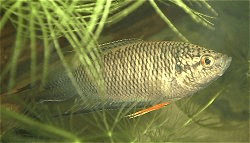
- The Noisy Neighbors: The genus Trichopsis, including Pygmy and Croaking Gouramis.
- The Paradise Fish: The genus Macropodus, featuring 9 species including the stunning Black Paradise Fish.
- The Rare Gems: Malpulutta and Pseudosphromenus (Spike-Tail and Day’s Paradise Fish), and the challenging Licorice Gouramis (Parosphromenus).
- The Main Event: The genus Betta.
The Genus Betta: Mouthbrooders vs. Bubble Nesters
The 75+ species of Betta are categorized by their breeding behaviors. While most Gouramis are bubble nest builders, Bettas have evolved two distinct strategies:
- Bubble Nest Builders (~25 species): These fish build nests at the surface of still, stagnant water. This includes the common Betta splendens.
- Mouthbrooders (50+ species): The majority of wild Bettas are actually mouthbrooders. This behavior likely evolved because these species often live in water with a stronger current, where a bubble nest would simply wash away.
Interestingly, some Bettas exhibit both behaviors, and in the Gourami world, only a few (like the Chocolate Gourami) have adopted mouthbrooding.
Understanding the “Complexes”
With so many species, ichthyologists group Bettas into complexes—clusters of fish that share similar physical characteristics or temperaments.
- The Size Spectrum: The Unimaculata complex contains giants like B. ocellatus (reaching 5 inches), while the Picta complex features tiny treasures that stay under 1.5 inches.
- The Personality Spectrum: While the Splendens complex is famous for the “Siamese Fighting Fish” aggression, species in the Akarensis, Edithae, and Albimarginata complexes are remarkably peaceful and can often be kept in groups.
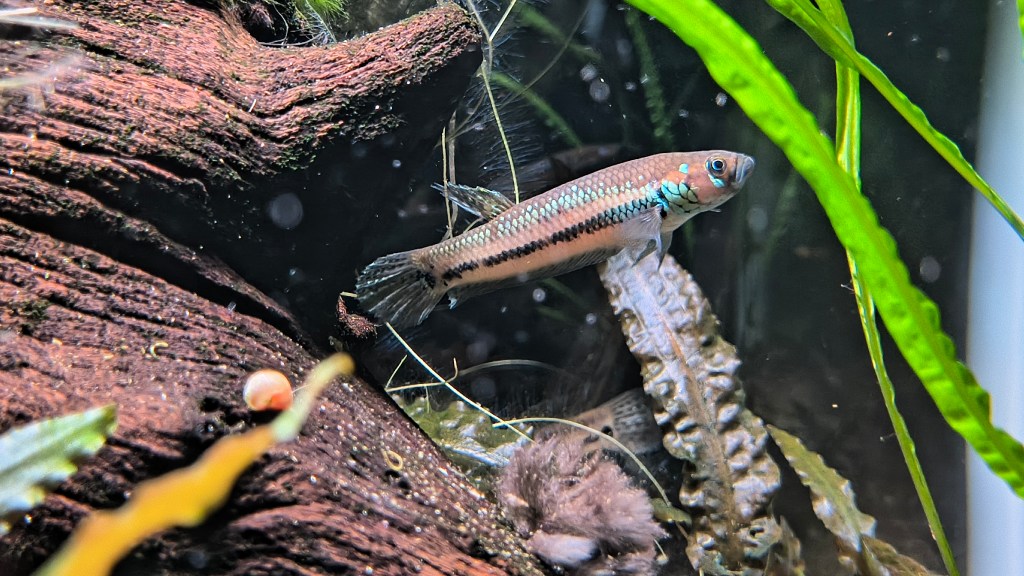
Welcome to the World of Wild Bettas
If you have only ever associated the word “Betta” with the fish sold in plastic cups at the pet store, you are in for a treat. From the deep forests of Southeast Asia to your home aquarium, the variety of behaviors, colors, and survival strategies in this genus is staggering.
Welcome to the genus of Betta!
 Papa Betta
Leave a comment